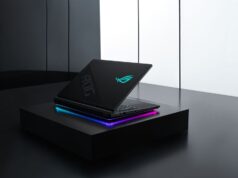

























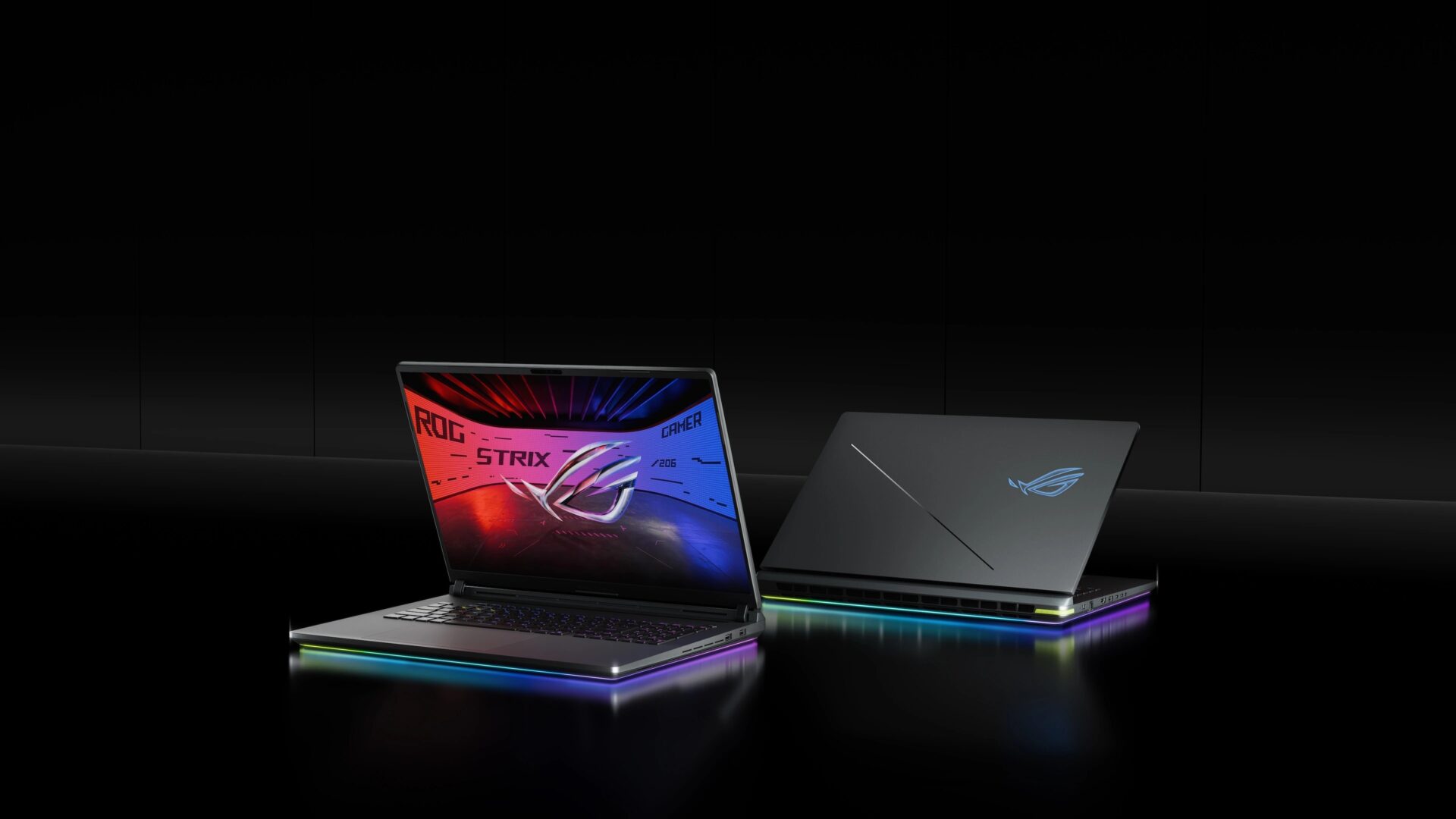
ASUS is rolling the ROG Strix G18 2026 (G815) into more markets. Top configs pair an Intel Core Ultra 9 290HX Plus with up to a GeForce RTX 5080 Laptop GPU. Select builds also add an 18-inch Mini LED Nebula HDR panel at 240Hz.
That puts a big-screen Strix between everyday high-refresh IPS models and the pricier Scar 18 flagship. Meanwhile, U.S. buyers already see an official eShop listing. However, the Mini LED RTX 5080 SKU is still landing first in other regions.
What ASUS ships on the ROG Strix G18 2026
On the official ROG product page, ASUS frames the G18 as a Windows 11 gaming laptop built for sustained power. Specifically, the company rates the top GPU path at up to 175W max TGP with Dynamic Boost. Turbo mode can hit up to 230W total system power on RTX 5080 models. Moreover, Manual mode can climb to 255W when you unlock the limiters.
The CPU is the Core Ultra 9 290HX Plus. It has 24 cores, 24 threads, and up to 80W TDP in ASUS materials. In addition, the G18 supports up to 32+32GB of DDR5 memory and up to a 2TB PCIe 4.0 SSD. Dual SO-DIMM and dual M.2 slots leave room for later upgrades. ASUS also keeps a 90Wh battery and lists a 3.20 kg chassis about 39.9 x 29.8 x 2.35-3.20 cm.
Mini LED 240Hz vs the faster IPS panel
The display split is the key shopping decision. ASUS says higher configurations use an 18-inch 2.5K (2560 x 1600) ROG Nebula HDR Mini LED panel. It claims more than 2,000 local dimming zones, 240Hz refresh, a 3ms rating, and 100% DCI-P3 coverage. ACR anti-reflection layers and NVIDIA G-SYNC support are also listed. On the product page, ASUS quotes peak brightness up to 1,600 nits for that Mini LED stack.
By contrast, several U.S. eShop configurations stick with an 18-inch 2.5K IPS-level panel. That panel can reach 300Hz. ASUS notes the default is 240Hz in Standard, Eco, and Optimized GPU modes. Therefore, Ultimate GPU mode in Armoury Crate unlocks 300Hz. Competitive players may prefer IPS for raw refresh. Meanwhile, HDR and local dimming pull toward Mini LED.
Cooling and tool-less upgrades stay front and center
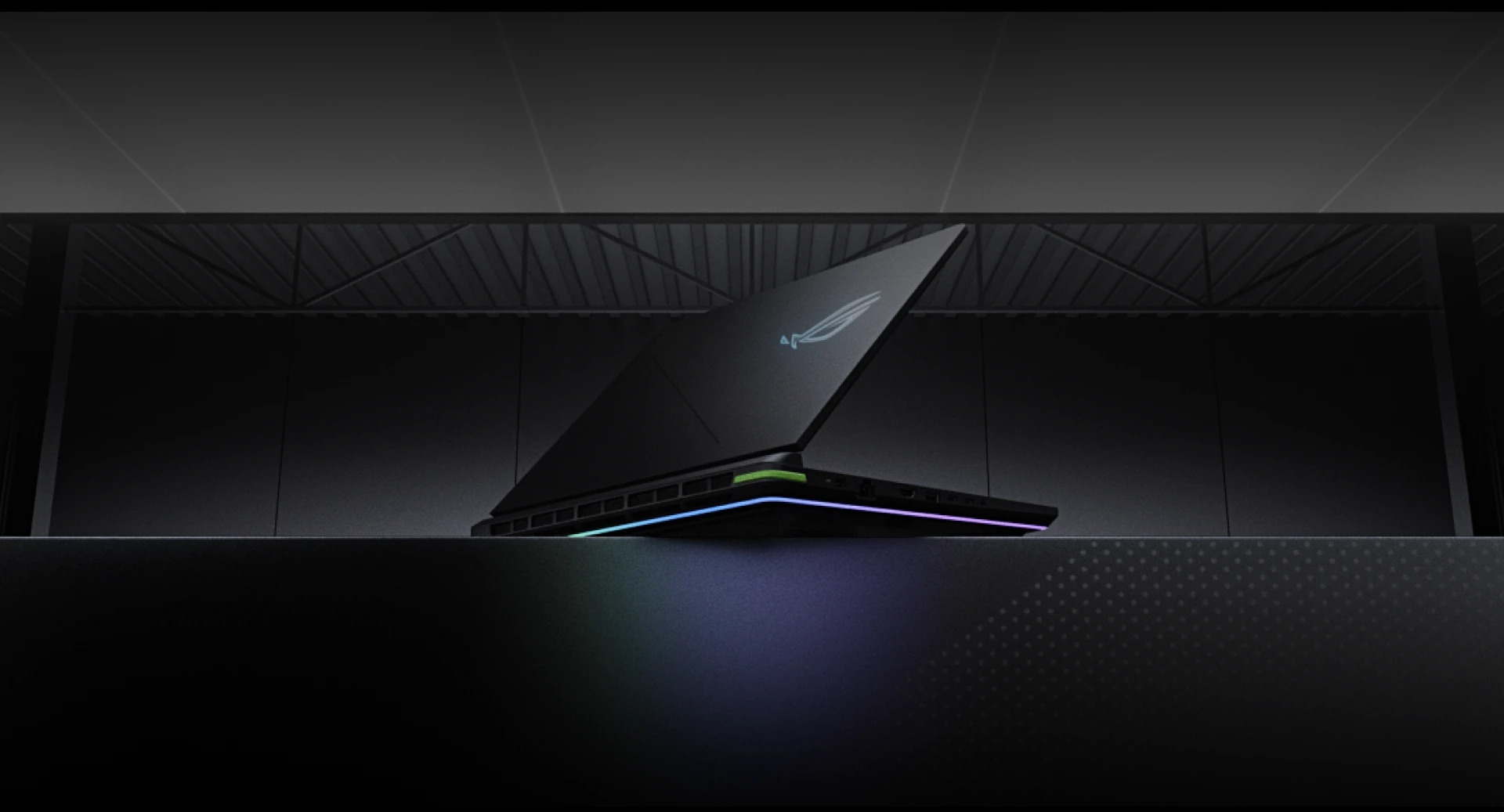
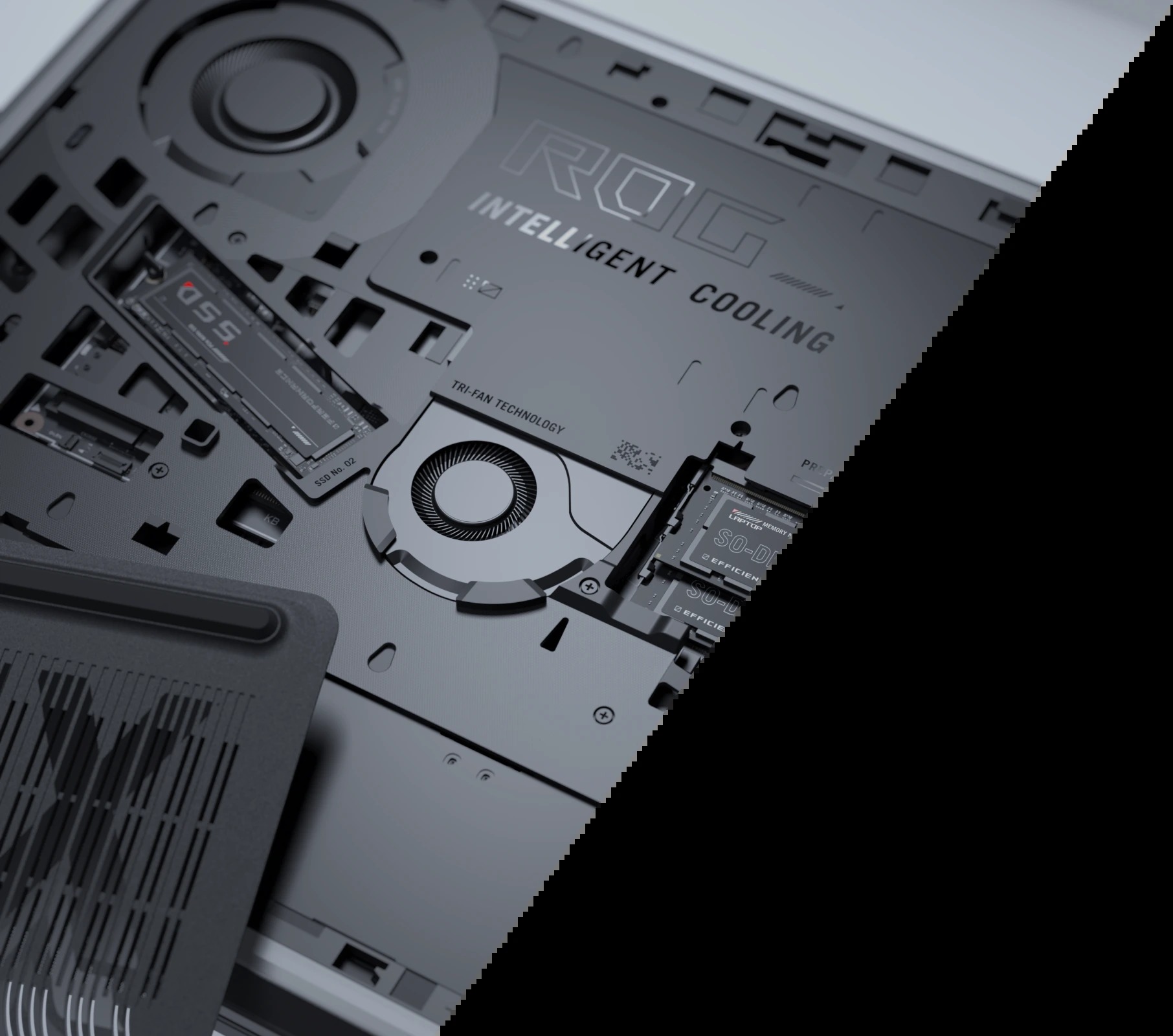
ASUS did not soft-pedal thermals on the G18. The company calls out Tri-Fan cooling and an end-to-end vapor chamber. It also lists a full-width sandwiched heatsink. Likewise, Conductonaut Extreme liquid metal covers both the CPU and GPU. Exhaust routes to the rear hinge so hot air stays off the mouse hand. Consequently, ASUS claims quieter Turbo operation than the previous generation.
Serviceability is another Strix selling point. A tool-less bottom panel exposes RAM, storage, and fans. M.2 drives use ROG’s Q-Latch retainer instead of tiny screws. ASUS also embeds a tool-less upgrade walkthrough on the official 2026 G18 product page. That clip is labeled for last year’s Strix chassis. Still, ASUS putting it on the 2026 page is a clear signal that the same upgrade path carries over. Watch it below if you plan a 64GB RAM or second-SSD expansion later.
Price and availability right now
Regional storefronts already list concrete configs. In the United Kingdom, ASUS Store sells a Mini LED RTX 5080 build for £3,699.99. That unit includes 32GB DDR5, a 2TB SSD, Windows 11 Home, and a 380W adapter. The part number is 90NR0LC1-M00C90, model G815LW-SA265W. Importantly, that listing matches the Mini LED path shoppers are hunting.
In the U.S., the ROG page currently points to an ASUS eShop configuration at $3,299.99. That SKU uses an RTX 5070 Ti Laptop GPU, 32GB DDR5, a 1TB SSD, and the 300Hz IPS-level panel. ASUS has not published a U.S. Mini LED RTX 5080 shelf date on the product page. Until the eShop catches up, treat that SKU as region-dependent.
For broader ROG context on this generation’s ceiling, Tech My Money already covered the ROG Strix Scar 18 power push. Similarly, Computex-era options from rivals such as GIGABYTE’s AI gaming laptops show how crowded the high-TGP 18-inch class has become.
Who should actually buy it
If you want an 18-inch desktop replacement with easy upgrades, the 2026 Strix G18 is aimed at you. Higher SKUs also add dual Thunderbolt 5, Wi-Fi 7, and a serious vapor-chamber cooling stack. Choose Mini LED when local dimming and HDR punch matter more than a 300Hz ceiling. Alternatively, choose IPS when competitive frame rates and a lower U.S. entry price matter more today.
Still, this remains a heavy 3.2 kg machine with a 90Wh battery. It is a stay-on-the-desk gamer first. Therefore, confirm the exact panel, GPU wattage, port set, and adapter in the SKU you order. ASUS spreads those details across multiple G815 configurations.